
Invited speakers COS2025
Prof Michael Narodoslawsky, Graz University of Technology, Austria |
|
| From Technology to Technology Systems - Answering the Challanges of Sustainable Development | |
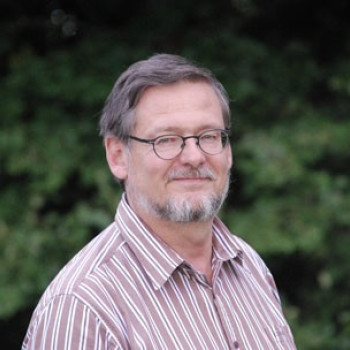 |
Study and Doctorate in Chemical Engineering at the Graz University of Technology, until retirement in 2016 he headed the research group Process Synthesis, Process Evaluation and Regional Development at the TU Graz. He headed the “Bioenergy” Working Group within the SET-Plan Education Task force of the E.C. and currently co-chairs the working group “Bioresources” of the European Sustainable Energy Innovation Alliance (eseia). Michael Narodoslawsky has research experience in ecological assessment and life cycle analysis, regional technology networks for renewable resources and biorefinery development. |
Prof Qiuwang Wang, Xi'an Jiaotong University, China |
|
| A hybrid thermal management strategy integrating passive thermal diffusion-storage synergy and active interfacial regulation for high-power electronics | |
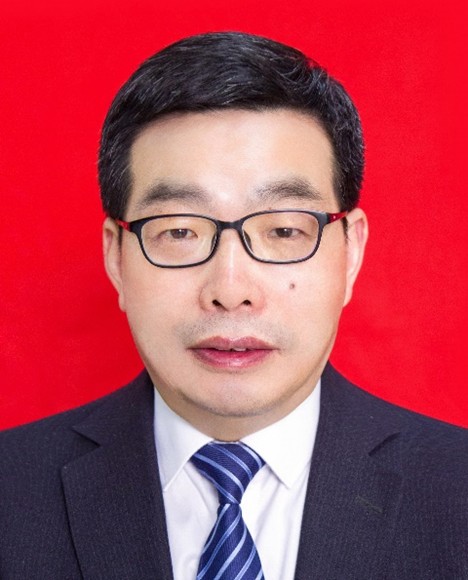 |
Dr. Qiuwang Wang, Professor of School of Energy & Power Engineering, Xi’an Jiaotong University, China. His research interests include heat transfer enhancement and energy saving, energy storage fundamental and technology, heat transfer under extreme conditions, heat transfer in porous media, prediction and optimization of thermal and fluid problems. He is a Fellow of both ASME and ASTFE, a China Delegate of Assembly for International Heat Transfer Conference (AIHTC), an executive member of Scientific Council of International Centre for Heat & Mass Transfer (ICHMT). He is the founding Editor-in-Chief of Energy Storage and Saving, the Associate Editor of International Journal of Heat and Mass Transfer, Heat Transfer Engineering, and Editorial Board Members for several international journals such as Renewable and Sustainable Energy Reviews, Energy Conversion and Management, Energy, Applied Thermal Engineering, etc. He is the founding chair of two international conferences: International Workshop on Heat Transfer Advances for Energy Conservation and Pollution Control (IWHT, since 2011) and the International Conference on Energy Storage and Saving (ICENSS, since 2022). He has also delivered more than 40 Plenary/Keynote lectures in international conferences. |
Prof Kathleen B. Aviso, De La Salle University, Philippines |
|
|
Optimization Model for Biomass-Based Carbon Dioxide Removal Networks |
|
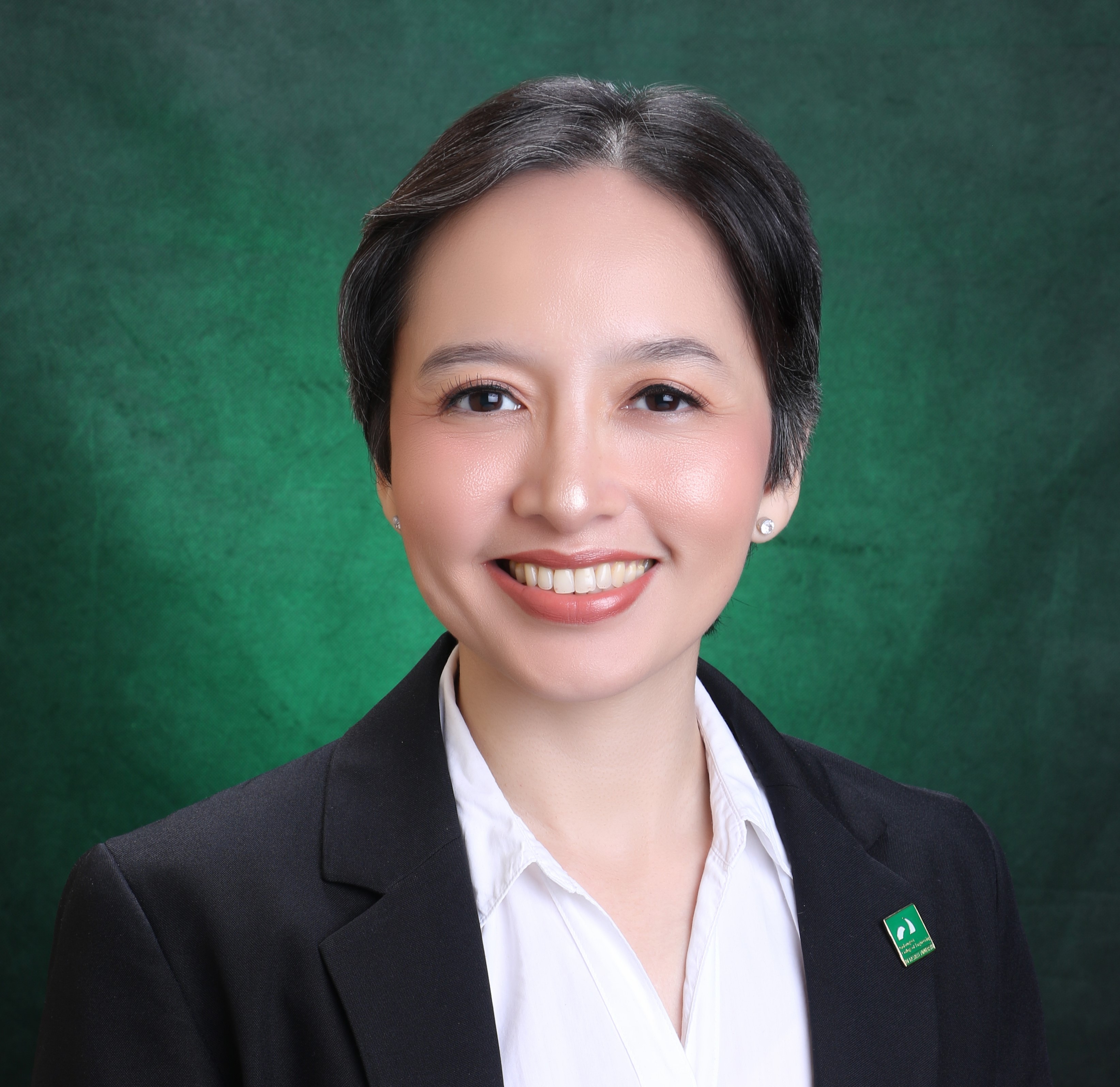 |
Kathleen B. Aviso is a University Fellow and a Professor of the Department of Chemical Engineering at De La Salle University, Manila, Philippines. She is also the current Dean of the Gokongwei College of Engineering at De La Salle University. Her main research interest is the development of decision support tools for environmental decision-making. She earned her Ph.D. degree in Industrial Engineering from De La Salle University. She is the author of more than 300 Scopus-indexed publications. She is currently an executive editor for the Journal of Cleaner Production (published by Elsevier), an associate editor for Digital Chemical Engineering and the South African Journal of Chemical Engineering, and part of the editorial board of several other international journals published by Elsevier, Frontiers, and Springer Nature. She is the author of the book Input-Output Models for Sustainable Industrial Systems. For her scientific work, Prof. Aviso has received multiple scientific awards from government and professional organizations in the Philippines. |
Prof Pasquale Marcello Falcone, University of Naples "Parthenope", Italy |
|
| Circular Economy at the Crossroads: Intersecting Roles of People, Places and Power | |
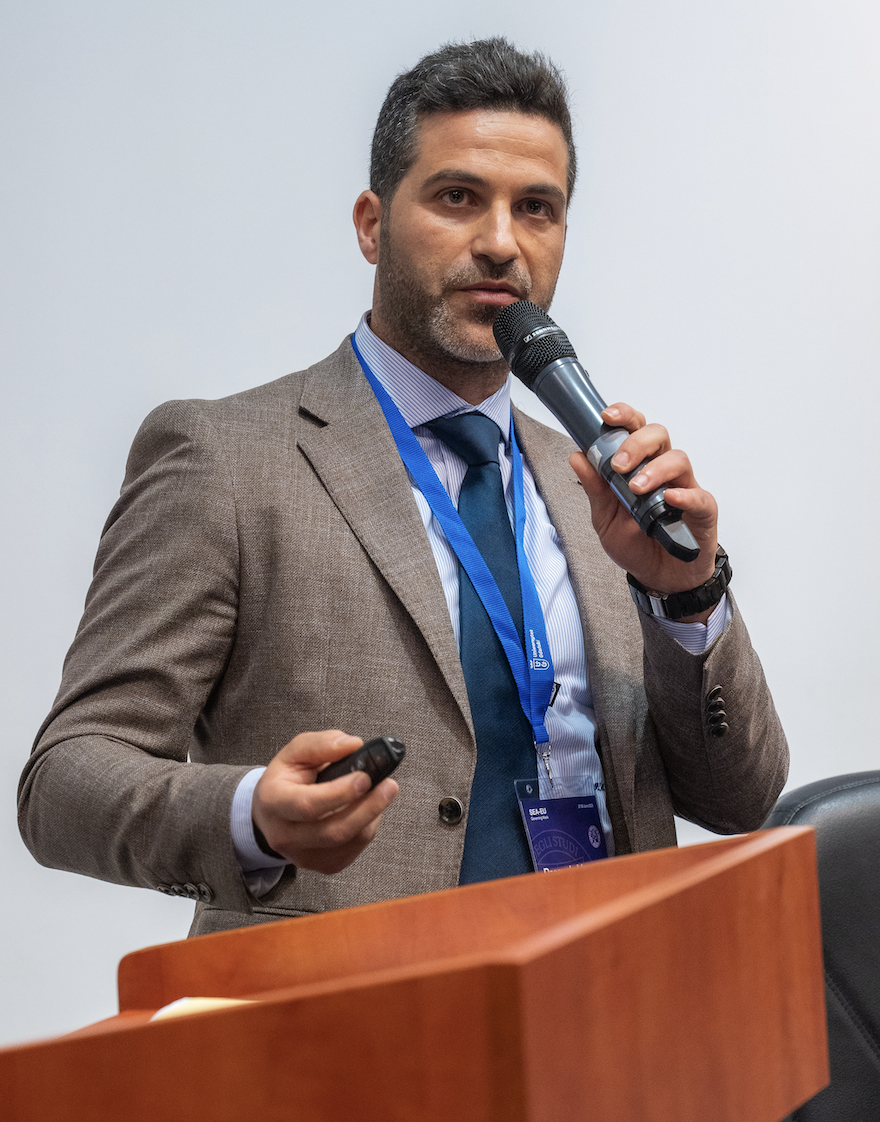 |
Pasquale Marcello Falcone is an Associate Professor of Economic Policy at the University of Naples “Parthenope,” where he teaches Environmental Economics and Sustainability Transitions at both Master’s and PhD levels. He holds a PhD in Economics from the University of Foggia (Italy) and an MSc in Economics from the University of Leicester (UK). |
Prof Bing Shen How, Swinburne University of Technology Sarawak Campus, Malaysia |
|
| Exploiting Carbon Credit Trading Scheme using Graph-Theoretic Approach | |
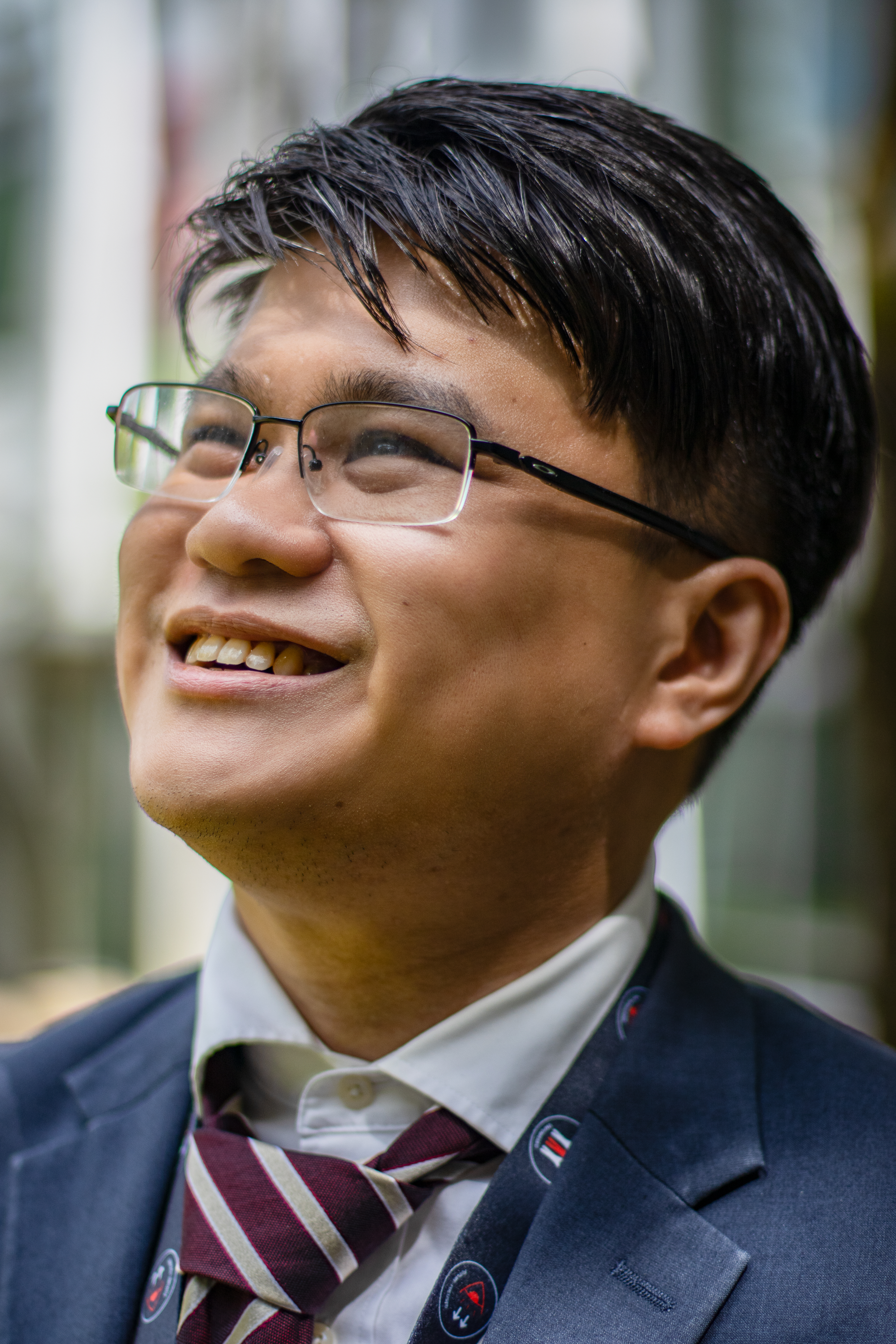 |
Ir. Dr. How Bing Shen, a distinguished Associate Professor at Swinburne University of Technology Sarawak Campus (SUTS) and a registered Professional Engineer. With an h-index of 33 (Scopus), Dr. How is a leading researcher committed to real-world impact, known for contributions to sustainable process integration, the circular economy, and macro-scale planning. His work has informed decarbonisation strategies for the energy, palm oil, and cement sectors. He also serves as associate editor and editorial board member for several international peer-reviewed journals. Beyond research, Dr. How is passionate about talent development, particularly in Process Systems Engineering (PSE). He co-founded the Hub of Process and Systems Engineering for Sustainability (HoPES), to promote PSE among younger generations and foster interdisciplinary collaboration. He is also the Vice-President of the International Institute for P-graph (IIPG), promoting the P-graph approach to the wider community. Dr. How's work has earned national and international recognition, including:
|
Prof Hon Loong Lam, University of Nottingham Malaysia Campus, Malaysia |
|
| P-graph for Circular Economy Management & Optimisation for Agriculture Industry | |
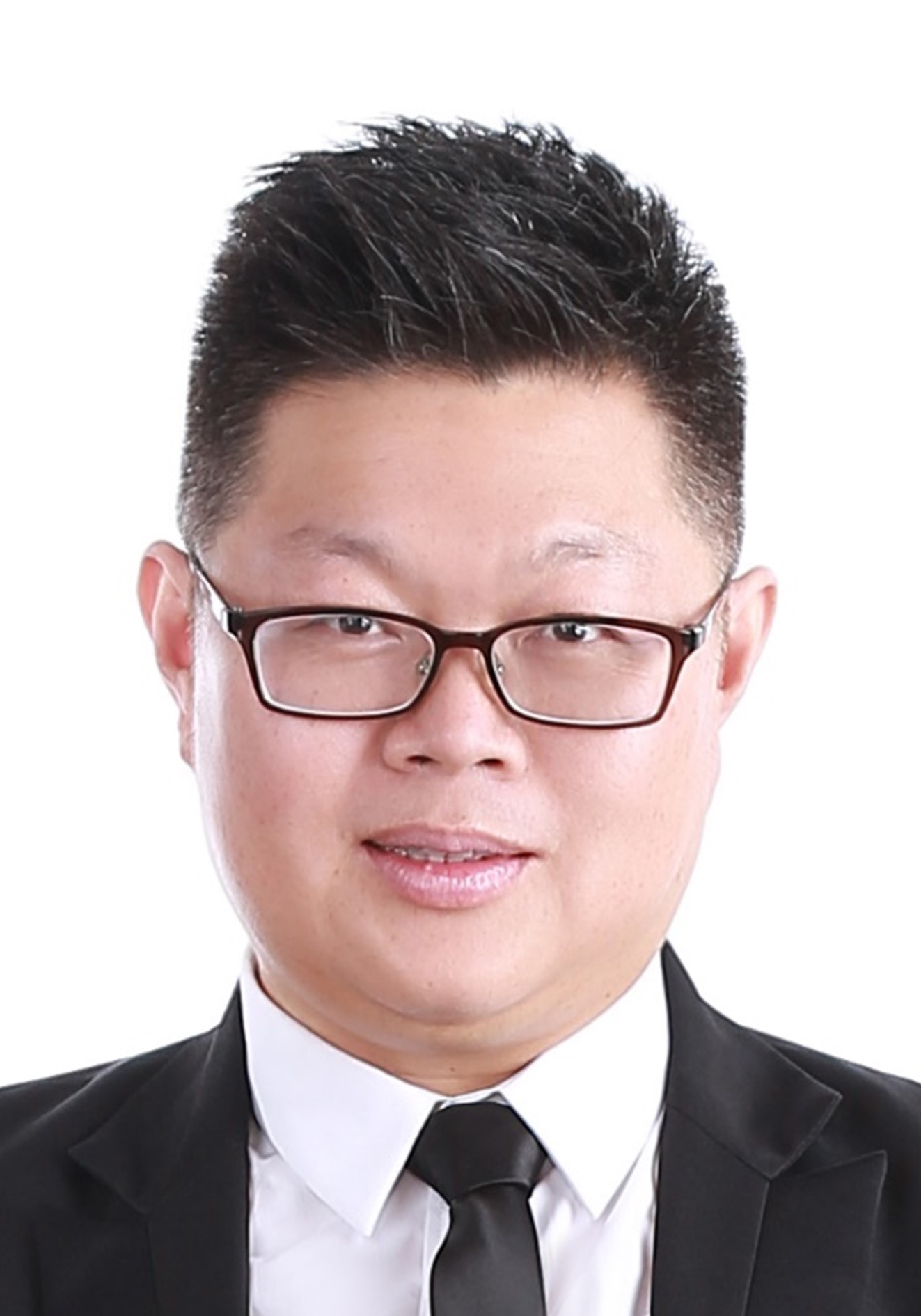 |
Prof Dr LAM Hon Loong is the professor of green operational management from the Department of Chemical and Environmental Engineering, University of Nottingham Malaysia Campus (2011 – present) and also appointed as the director for the Centre of Excellence for Green Technology in UNMC. Prof Lam received his PhD in Chemical Engineering, (University of Maribor, Slovenia) and PhD in Information Technology, (University of Pannonia, Hungary). Prof Lam research focused on Computer Aided Chemical Engineering for palm oil industry, such as process integration, biomass network and green supply chain synthesis. He has been awarded 13 International and National level research projects, for example, Products Supply Chain Synthesis of Palm Oil Biomass, by Global Green Synergy Sdn. Bhd (2011-2014), Underutilised Biomass: Waste to Wealth Supply Chain Synthesis, by Crop for the Future Research Centre (2013-2015), Understanding biomass value chains and the environment-food-energy-water nexus in Malaysia through whole-systems analysis and optimisation (BEFEW), by UK-MY Newtown Fund (2017-2020) Prof Lam research contributions have been well recognized in international level. Up to now, Prof Lam has published more than 200 publications in journals, conference papers and book chapters. He serves as international journal editors, namely ENERGY (Elsevier), Energy, Sustainability and Society (Elsevier), Clean Technologies and Environmental Policy (Springer), Process Integration and Optimisation for Sustainability (Springer). He also being recognized as the World Top 2% Scientists by Stanford List since 2020- present.
|
Prof Seungjae Lee, University of Seoul, South Korea |
|
| X-Minute City Frameworks for Sustainable Development Goals in the Autonomous Vehicle Era | |
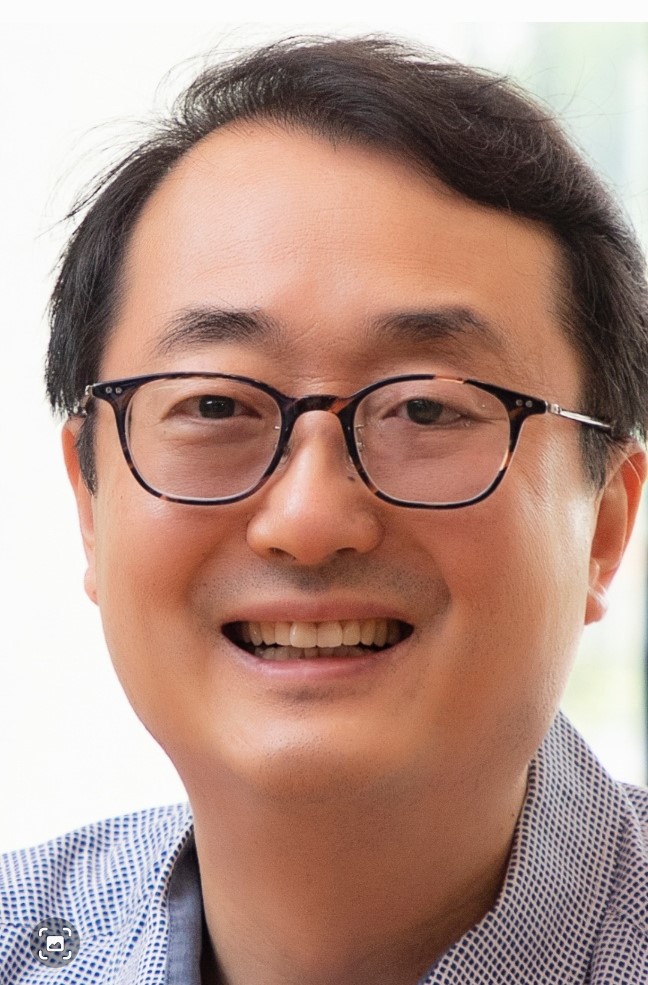 |
Dr Seungjae LEE is a Professor of Transportation Planning in University of Seoul. He is one of South Korea’s foremost transportation engineers, bringing over 30 years of experience in transport modelling, infrastructure evaluation, and smart mobility systems. He has led more than 100 national and international transport research projects and authored over 200 peer-reviewed publications, including in top journals such as Science Advances, Scientific Reports, Journal of Cleaner Production and Energy. He is the Author of two insightful books entitled as “Sustainable Urban Evolution: the 15-Minutue City as a Future Paradigm” and “Intelligent Moving Cities: Technological Leap and Social Integration of Autonomous Mobile Robots” as Sustainable Development Goals Series of Springer Nature. His leadership and interdisciplinary research capacity make a cornerstone of sustainable and smart transport research. He is a recipient of the prestigious James Hill Prize (ICE, UK) for international excellence in transport research. He has served several SCI journals as an editorial board member. |
Prof Sin Yong Teng, Maastricht University, Netherlands |
|
| Unlocking circularity via digital models: use-cases and experiences | |
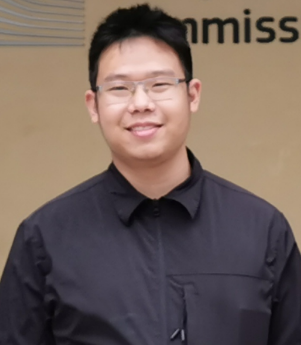 |
Assist. Prof. Sin Yong Teng's research bridges between chemical engineering/chemistry and data-driven modelling. His expertise spans different modelling techniques, such as chemometrics, machine learning, mathematical programming, process analysis, kinetic modelling, process optimisation, etc. These techniques are integratively applied towards both fundamental and semi-applied problems that address chemical knowledge and sustainability. Sin Yong has received multiple top 1% awards from Web of Science and serves as a reviewer for many international journals such as Analytica Chimica Acta, Journal of Cleaner Production, Renewable Energy, Process Integration and Optimization, Artificial Intelligence Reviews, Chemometrics and Intelligent Laboratory Systems etc. He also serves as an editor for Energy Elsevier (IF=9), Discover Sustainability Nature Springer (IF=2.6) and other journals. |
Prof Bohong Wang, Zhejiang Ocean University, China |
|
| Distributed energy system optimization in residential areas integrating hydrogen-blended natural gas and geothermal energy | |
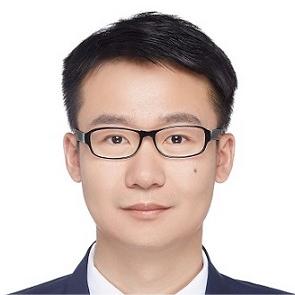 |
Dr. Bohong Wang is an Associate Professor at Zhejiang Ocean University with expertise in energy systems engineering and pipeline transport engineering. Holding a Ph.D. from the China University of Petroleum-Beijing (CUPB), with joint training at Brno University of Technology's Sustainable Process Integration Laboratory (SPIL), he spearheads research in AI-enhanced process optimization and energy infrastructure resilience. He serves as an Associate Editor of Journal of Pipeline Systems Engineering and Practice, previously the Guest Editor of Journal of Cleaner Production, Energy, Thermal Science and Engineering Progress, and Cleaner Energy Systems. He has led 10 national, provincial, and industrial projects related to the optimization of energy systems, oil-gas pipeline system optimization, reliability evaluation, and Process Integration. He has developed software in the field of heat integration, pipeline simulation, and hydraulic optimization. He has published more than 150 journal and conference papers, with an h-index of 31. He also serves as a reviewer for 60 international journals. |
Prof Kirti Maheskumar Yenkie, Rowan University, USA |
|
| Teaching AI-enabled Sustainability Assessment and Collaboration Opportunities with American Professional Societies | |
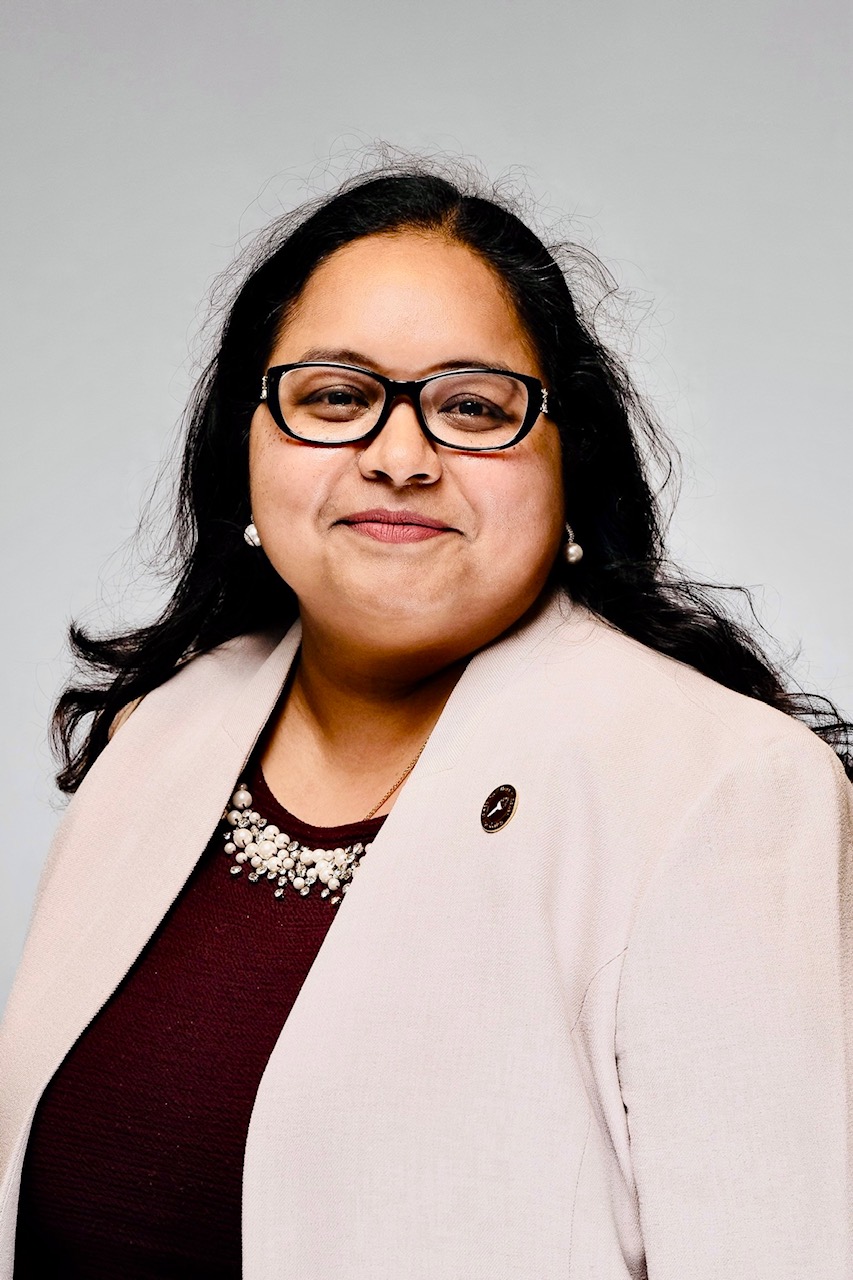 |
Dr. Kirti M. Yenkie is an Associate Professor and the Graduate Program Chair in the Department of Chemical Engineering at Rowan University. She has 15+ years of experience in Process Systems Engineering with applications focusing on environment and sustainability. She leads the Sustainable Design and Systems Medicine lab. Her teaching and mentoring efforts are geared towards educating students about environmental sustainability by including practical examples and case studies from industry on water treatment, solvent recycling, petroleum pipeline cleaning, plastics recycling, and machine learning for early-stage life cycle analysis (LCA). She has developed educational modules, and videos for STEM outreach on Sustainability with activities such as Popcorn making demonstrating LCA, Oil spill cleanup, and Polymer coatings on metal keys demonstrating recyclability. She has won the 2022 AIChE (American Institute of Chemical Engineers) Environmental Division Early Career Award, the 2023 AIChE-Delaware Valley Section (DVS) Outstanding Faculty Award and the NSF CAREER Award. She was also honored as one of the 20 Outstanding Young Chemical Engineering Educators by the CACHE (Computer Aids in Chemical Engineering) Committee in 2019. She holds a Ph.D. in Bioengineering from the University of Illinois (Chicago, IL), M. Tech (Chem. Engg.) from IIT Bombay and B. Tech (Chem. Engg.) from Laxminarayan Institute of Technology, Nagpur. She has postdoctoral research experiences from University of Wisconsin-Madison and University of Delaware. She is an active member of the AIChE and currently serves on the Chair of the AIChE-Environmental Division, Secretary for the Sustainable Engineering Forum, Academic Subcommittee member of AIChE-DVS, and CACHE Ambassador at Rowan University. |